
Up-and-go breakfast muffins!
Lower-fat, lightly sweet muffins with extra fibre
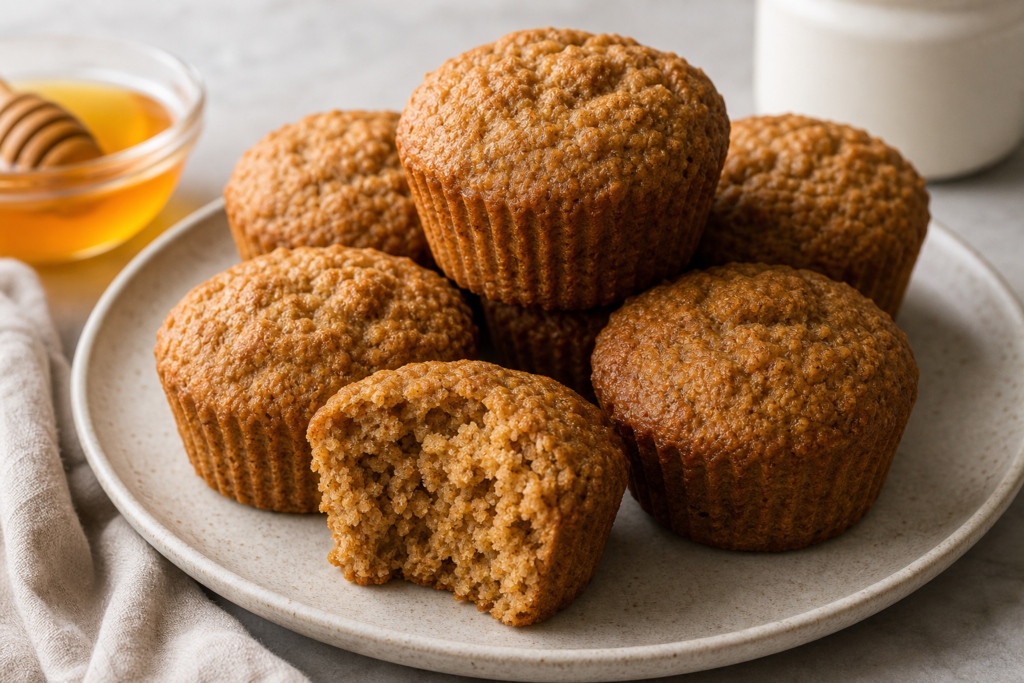
A one-bowl muffin made to be satisfying without tasting like cake. These use wheat germ or bran and wholemeal flour for extra fibre, are sweetened with honey (1/2 cup across 12 muffins = 2 teaspoons each) and use a small amount of coconut oil so each muffin contains about 1 1/4 tsp oil. Add-ins are flexible — berries, diced fruit, dried fruit, nuts or choc chips all work.
Key features
Low fat: about 1 1/4 tsp coconut oil per muffin. Refined-sugar free: sweetened with honey or maple syrup. Extra fibre from wheat germ or wheat bran. Designed to be portable and stay moist for several days.
Add-in ideas
250g/8oz raspberries (reserve some to top), blueberries, 2 cups diced non-watery fruit such as apples or pears, 1 1/4 cups dried fruit, nuts or chocolate chips.
Storage
Store in an airtight container for 4–5 days. If it’s warm, keep refrigerated. Muffins freeze for up to 3 months.
What Makes This Recipe Work
These muffins are built to be a practical, portable breakfast that leans more toward wholesome than sweet. Two things give them their identity: the use of wheat germ (or wheat bran) and wholemeal flour for extra fibre and a slightly nutty texture, and a small amount of coconut oil plus yogurt and milk to keep the crumb moist without turning the muffin into a cake. Sweetness comes from honey or maple syrup rather than refined sugar, so each muffin ends up gently sweet — about 2 teaspoons of honey per muffin when the batch yields 12.
Ingredient Notes
- Wheat germ or wheat bran: Wheat germ offers a toasty, nutty background note; wheat bran is a straight swap if you prefer it or have it to hand. Either adds bulk and fibre.
- Wholemeal flour: This is the heart of the texture. It makes the crumb more substantial than plain white flour would, which is the point here — a muffin that satisfies without tasting like dessert.
- Honey or maple syrup: Used as the sole sweetener. The recipe’s total sweetener amount works out to a light hit per muffin; you can choose either according to flavour preference or pantry stock.
- Coconut oil: The recipe uses a modest amount so fat per muffin is low (about 1 1/4 teaspoons each). Melted firm coconut oil is recommended for flavor and handling, though other neutral oils will work.
- Add-ins: The formula is flexible — fresh berries (example amount given is 250 g raspberries), 2 cups diced firm fruit such as apples or pears, or about 1 1/4 cups total of dried fruit, nuts or chocolate chips all work well. Avoid watery fruits that would thin the batter.
How to Get the Best Result
- Combine wet and dry ingredients gently. The dry mix is sprinkled over the wet and folded in so the batter remains tender; overmixing will toughen the muffins.
- Use room-temperature egg and milk for a uniform batter that traps air more predictably.
- If you’re substituting baking ingredients: if you don’t have baking soda, the recipe notes that additional baking powder can be used but expect a different crumb. Sifting lumpy raising agents helps them distribute evenly.
- For coconut oil, use the firm variety melted. If you opt for a different oil, the recipe suggests boosting warm flavours like vanilla and cinnamon to compensate for coconut’s distinctive taste.
- Reserve a few berries to place on top of some muffins before baking if you want a decorative, fruity finish.
Serving Ideas
- These muffins are designed to be grabbed on the go — eat straight from the wrapper or warm gently before serving.
- Pair with a spoonful of yogurt or a thin spread of nut butter for extra protein and satiety.
- Mix and match add-ins to suit the occasion: berries for brightness, diced apples or pears for autumnal notes, or a mix of dried fruit and nuts for a chewy, crunchy contrast.
Storage / Make-Ahead
- Keep muffins in an airtight container at room temperature for 4–5 days. If your kitchen is warm, store them in the fridge to maintain freshness.
- Muffins freeze well; the supplied guideline is up to 3 months. Thaw before eating and, if desired, refresh briefly in a warm oven or toaster oven.
- Make a double batch and freeze extras in individual portions so you can reheat a single muffin without defrosting the whole lot.
These muffins walk a useful middle line: not heavy, not overly sweet, and flexible enough to adapt to what you have in the fruit and baking cupboards. Because the recipe intentionally keeps fat and sweetener modest, the result feels like a sensible breakfast that still tastes like a treat when you choose a sweet, ripe add-in.
More recipes to explore

More recipe ideas
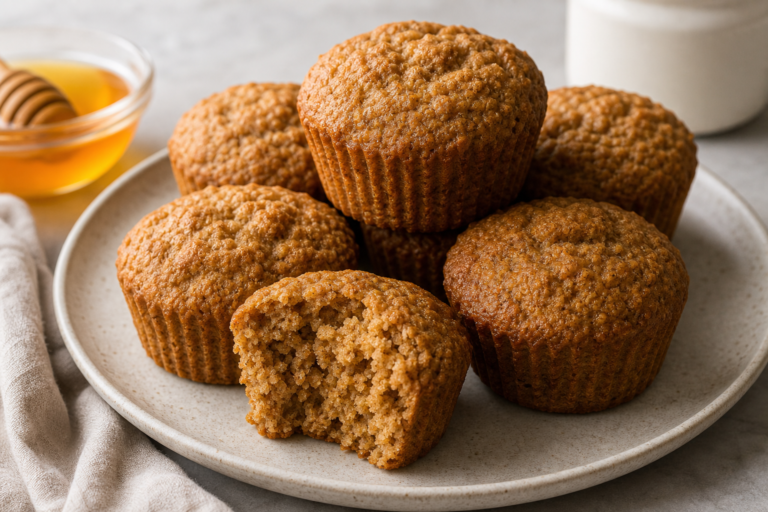
Up-and-go breakfast muffins!
Ingredients
Instructions
- Preheat the oven to 190°C / 375°F (170°C fan). Line a standard 12-hole muffin tin with cases or spray the wells with oil.
- Place the coconut oil in a microwave-safe bowl and microwave on high for 45 seconds or until melted. Add the egg, milk, yogurt, honey (or maple syrup) and vanilla extract. Whisk until smooth.
- Sprinkle the dry ingredients (wheat germ or bran, wholemeal flour, salt, cinnamon, baking powder and baking soda) evenly over the wet mixture. Stir just until the dry ingredients are incorporated; do not overmix.
- Gently fold the raspberries or your chosen add-ins into the batter.
- Divide the batter evenly among the 12 muffin wells using an ice-cream scoop or spoon. If using, press halved raspberries on top for decoration.
- Bake for 25 minutes. Remove from the oven, cool in the tin for 5 minutes, then transfer the muffins to a cooling rack.
Estimated nutrition per serving
ESTIMATE based on the supplied ingredients and a yield of 12 muffins. Actual values will vary with the type and amount of add-ins (berries, dried fruit, nuts, chocolate), and with exact ingredient brands and measures.
Helpful Tips
- Use firm coconut oil and melt it before combining with the other wet ingredients for best texture and flavour.
- If your baking soda is missing, extra baking powder can be used as indicated, but expect a different crumb.
- Don’t overmix once the dry ingredients hit the wet — stir just until combined to keep the muffins tender.
- Reserve a few berries to press on top of muffins before baking for a pretty, fruity finish.
- Choose non-watery diced fruit (apples, pears) rather than watery fruits to avoid thinning the batter.
Frequently Asked Questions
Can I use wheat bran instead of wheat germ?
Yes. Wheat bran is listed as an alternative to wheat germ and will increase fibre while giving a slightly different texture.
What if I don’t have baking soda?
The recipe notes you can substitute extra baking powder in place of baking soda, though the muffin crumb will differ.
Can I swap the coconut oil for another oil?
Yes. Other neutral oils will work, but the recipe suggests using firm (melted) coconut oil for flavour; if you switch oils, consider boosting vanilla and cinnamon to lift the flavour.
How long will these muffins keep?
Stored airtight at room temperature they last 4–5 days; refrigerate if it’s warm. They freeze for up to 3 months.
What add-ins work best?
The batter accepts berries (example: 250 g raspberries), about 2 cups diced firm fruit like apples or pears, or roughly 1¼ cups total of dried fruit, nuts or chocolate chips — avoid watery fruits.
You may also like
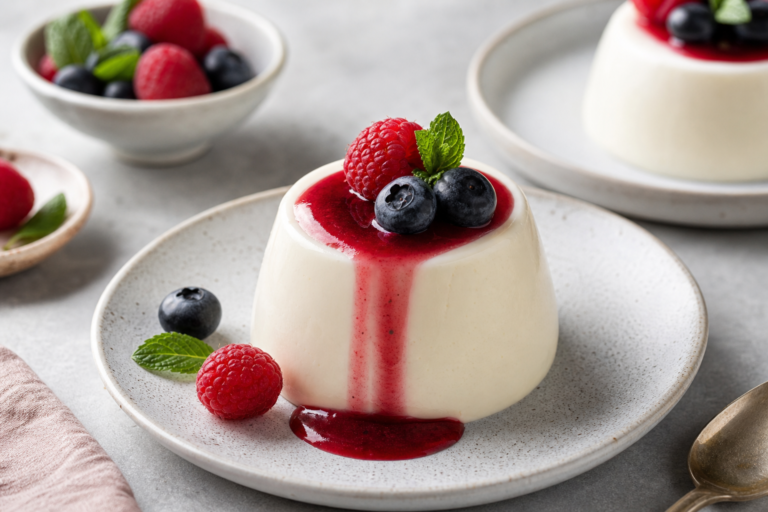
Panna Cotta
A silky, make-ahead milk-and-cream custard set with gelatine and flavored with vanilla.
Read more →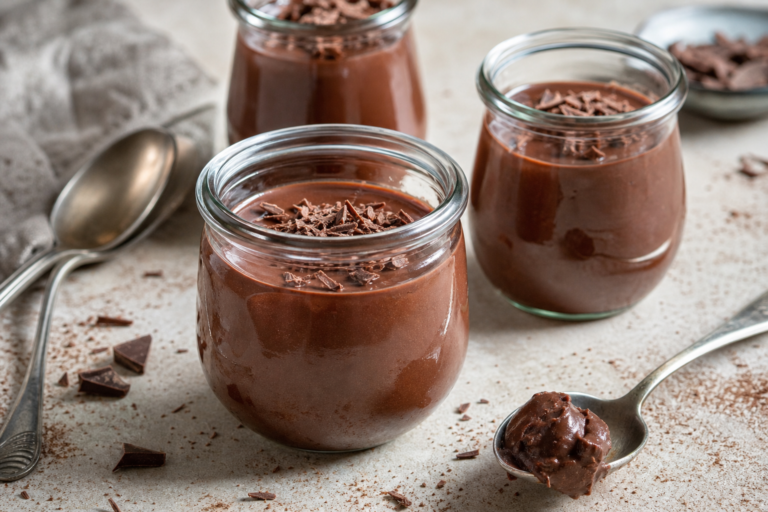
Chocolate Pudding Pots
A silky, chocolate pudding made with egg yolks and real chocolate. Whisk, heat briefly to…
Read more →
Monster Cookies!!
Crispy at the edges and chewy inside, these no-chill cookies combine peanut butter, rolled oats…
Read more →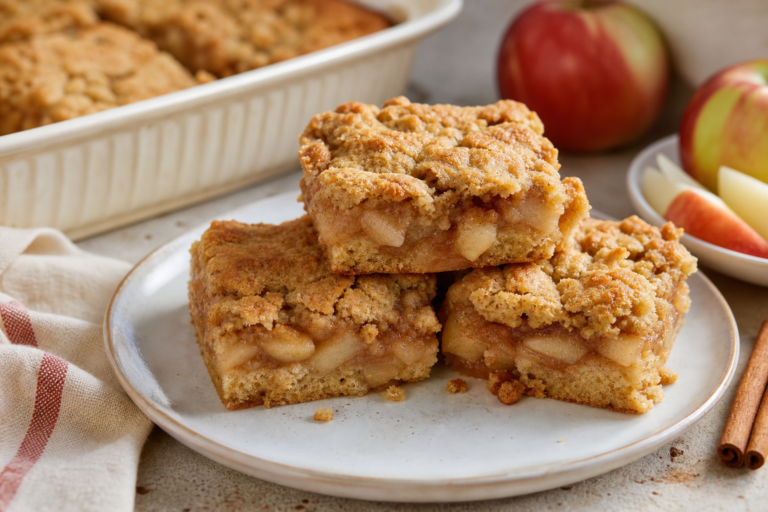
Apple Pie Cobbler Bars
Shortbread-style crust and topping surrounding a soft, cinnamon-spiced apple filling—easy to make and great for…
Read more →This page may contain affiliate links. We may earn a commission at no extra cost to you.